2026-10-07 · Michael Chen
Winter Water Heater Issues Common Near Jamaica Bay
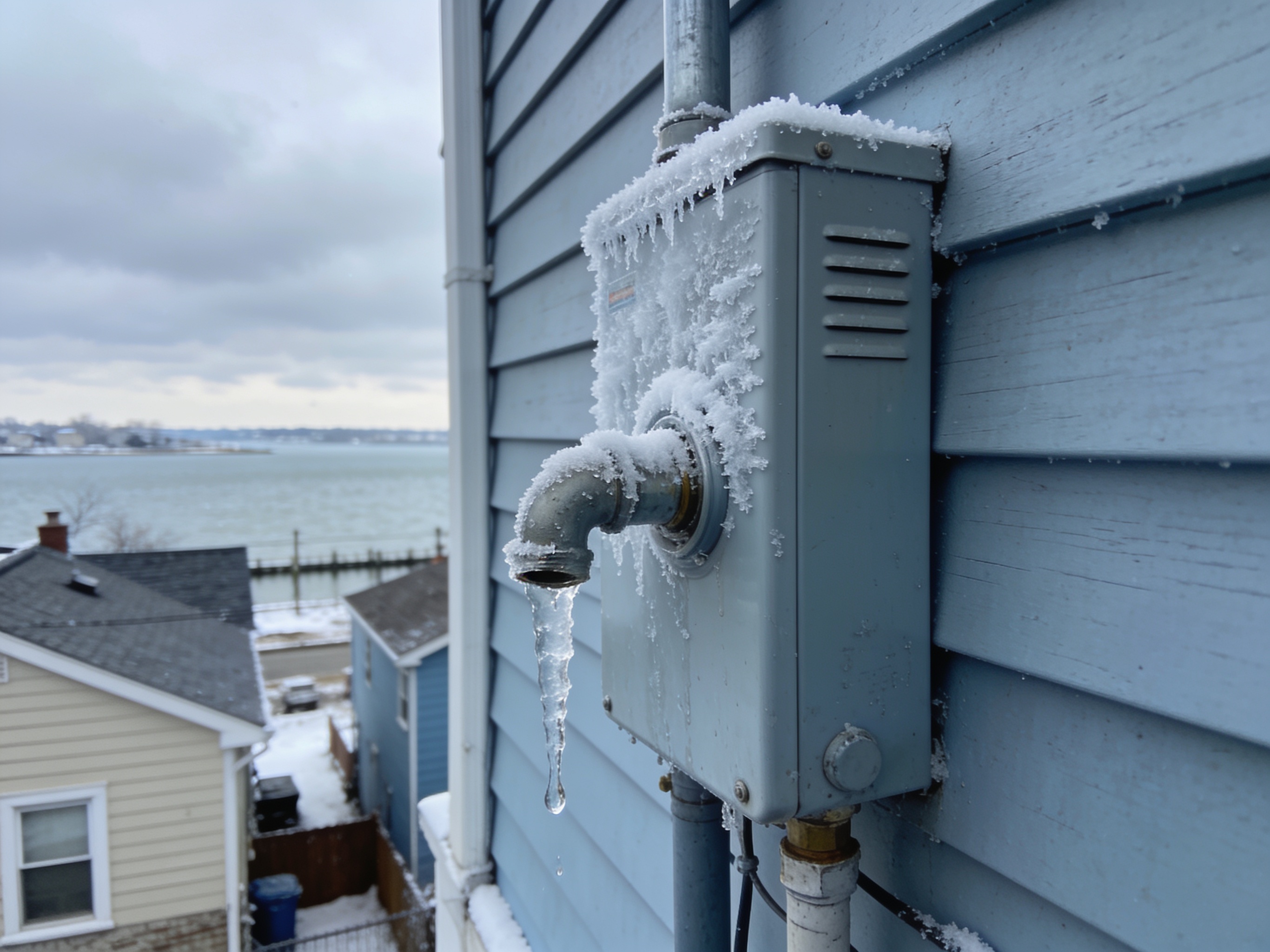
Winter conditions certainly exacerbate water heater issues for homes in Brooklyn 11234, particularly those situated closer to Jamaica Bay. The most common problems we see are reduced hot water supply, slower recovery times, and an increased risk of minor leaks due to thermal expansion and contraction. The colder incoming water from the city mains, which can drop significantly when ambient temperatures hover around freezing, demands more energy and time from your water heater to reach the desired temperature. This often means a 40-gallon tank that comfortably supplied a family of four in summer might struggle to keep up during a typical Brooklyn winter morning, leading to shorter showers or a complete lack of hot water. Additionally, older units, especially those 8–10 years old, are more susceptible to these seasonal stresses, often manifesting as a need for more frequent water heater repair services.
The Impact of Cold Incoming Water Near Jamaica Bay
Homes in neighborhoods like Marine Park, Mill Basin, and Canarsie, all bordering or near Jamaica Bay, experience colder ground temperatures in winter, which directly translates to colder water entering your home's plumbing system. The municipal water supply, even when underground, is influenced by prolonged periods of freezing air temperatures. When your water heater draws this colder water, it has to work much harder and for longer durations to heat it to your set temperature. This increased workload can strain heating elements in electric water heaters or the burner assembly in gas models, potentially leading to premature wear or even failure. You might notice your water heater running almost constantly, or that it takes significantly longer to heat up after someone has used a large amount of hot water. This isn't just an inconvenience; it also means higher energy bills as your unit consumes more fuel or electricity to compensate for the temperature differential.
Increased Stress on Older Systems and Components
Many homes in Brooklyn 11234, particularly the established residential areas around Flatlands and Bergen Beach, feature water heaters that have been in service for many years. While a well-maintained water heater can last 10–15 years, winter conditions put extra stress on aging components. The constant heating and cooling cycles cause materials to expand and contract. Over time, this can weaken seals, connections, and even the tank itself. We frequently see minor leaks develop around the temperature and pressure relief (T&P) valve or drain valve during the coldest months, often due to the increased pressure fluctuations within the tank. For gas water heaters, cold drafts can also sometimes affect the pilot light, leading to it going out more frequently, a common issue we discuss in our article on Troubleshooting Pilot Light Problems in Brooklyn Homes.
Sediment Buildup and Reduced Efficiency
Another common winter issue, often exacerbated by increased usage, is the impact of sediment buildup. Brooklyn's water, while generally good, does contain minerals that can settle at the bottom of your water heater tank over time. In winter, as your water heater works harder and cycles more frequently, this sediment can become more agitated. A layer of sediment acts as an insulator, preventing heat from efficiently transferring to the water. This means your water heater has to burn more fuel or use more electricity to heat the same amount of water, leading to reduced efficiency and longer heating times. In extreme cases, sediment can even cause the heating element to overheat and fail, or lead to strange banging noises as water gets trapped and boils beneath the sediment layer. Regular flushing can mitigate this, but many homeowners overlook this crucial maintenance step.
Preventing Winter Water Heater Woes
To minimize winter water heater problems in your Brooklyn 11234 home, a few proactive steps can make a significant difference. First, consider insulating your hot water pipes, especially those exposed in basements or utility closets. This helps retain heat and reduces the workload on your water heater. Second, ensure your water heater is properly insulated; an insulating blanket can be particularly effective for older tanks. Third, schedule an annual maintenance check-up before the coldest months hit. A professional can inspect for early signs of wear, flush sediment, and ensure all components are functioning optimally. If you notice any signs of trouble, such as a sudden drop in hot water availability, unusual noises, or visible leaks, addressing them promptly can prevent a small issue from becoming an emergency. Ignoring these signs can lead to a complete lack of hot water when you need it most, or even a water heater leaking situation that can cause significant damage. Being proactive is key to reliable hot water throughout the Brooklyn winter.